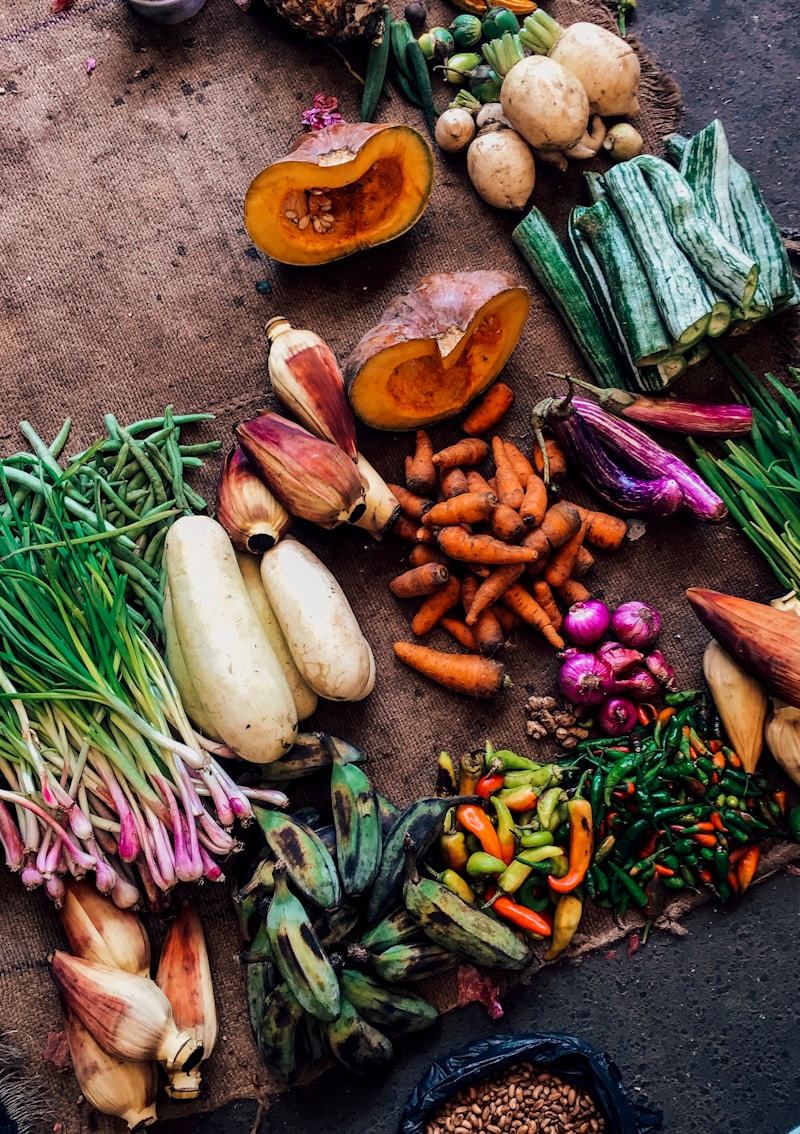
Around a third of all food produced globally is wasted. In the UK, households throw away around 6.5 million tonnes of food every year - roughly £700 per household. Much of it goes to landfill, where it produces methane as it decomposes.
Use by means the food is unsafe to eat after this date. Take it seriously.
Best before means the food is at its best quality before this date - but it's usually still safe and good to eat after. This applies to most dry goods, canned food, frozen food, bread, eggs and many vegetables. Throwing food away because it's past its best before date is almost always unnecessary.
Most food waste happens because people buy food without a plan for using it. Before shopping, check what you already have, plan what you'll eat that week, and only buy what you need. The habit of checking the fridge before shopping rather than after is the key behaviour.
First In, First Out. When you unpack shopping, move older items to the front of the fridge and put new items behind them. You'll use older food before it goes off rather than reaching past it for the newer version.
Fried rice, frittata, soup, stir fry and shakshuka all work with whatever is available rather than requiring specific ingredients. Learning two or three of these dramatically reduces waste.
Most people underestimate what can be frozen. Bread, cheese, milk, cooked rice, most leftovers, many vegetables. The freezer extends the useful life of most food significantly. If something is about to go off and you won't use it in time, freeze it.
The achievable goal is reducing household food waste by 50% - well within reach through the habits above. It saves around £350 per year and has a meaningful climate impact.