The Scottish Highlands by sleeper train is one of the great rail journeys of Europe - and most people who live in the UK have never done it.
The Caledonian Sleeper departs London Euston late evening and arrives in Inverness, Fort William or Aberdeen the following morning. You board in the city, sleep through the night, and wake up in the Highlands. No airport, no security queue, no 5am alarm.
The Caledonian Sleeper runs nightly from London Euston. Journey time to Inverness is around 10 hours overnight. To Fort William (for Ben Nevis and Glencoe), it's around 11 hours. Berths range from a seat-recliner to a private room with en suite - the classic double berth is the sweet spot for most travellers.
Carbon footprint compared to flying: a return flight from London to Inverness produces around 0.13 tonnes of CO₂. The Caledonian Sleeper produces around 0.01 tonnes. That's a 92% reduction.
Book at sleeper.scot. Prices from around £35 for a seat, £60-80 for a berth.
The Highlands rewards slow travel. A week is better than a weekend. Key areas:
Glencoe - one of the most dramatic valleys in Europe. Day walks from the valley floor are accessible without specialist equipment. The Lost Valley is a particular highlight.
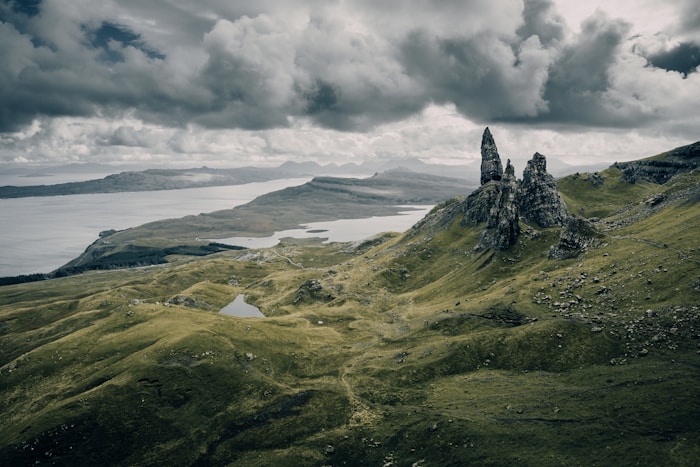
Isle of Skye - reachable by bus from Inverness or Fort William. The Quiraing and Old Man of Storr are the classic walks; the Fairy Pools are worth the short walk in from the road.
Cairngorms National Park - the largest national park in the UK. Excellent cycling, walking and wildlife. Red squirrels, ospreys and red kites are all present. Aviemore is a good base.
Inverness and Loch Ness - Loch Ness is worth a day but not longer. Urquhart Castle on the loch shore is the classic stop. Inverness itself has a good food scene and is walkable.
Camping is legal almost everywhere in Scotland under the Land Reform Act - wild camping with a tent is genuinely permitted and widely practiced. Bothies (unmanned mountain shelters) are free to use and bookable through the Mountain Bothies Association. For something more comfortable, the Highlands has excellent independent B&Bs and small hotels at reasonable prices.
May and June for long daylight and before peak crowds. September for autumn colour and fewer midges. July and August are the busiest months - still good, but book ahead and expect more people on popular trails. The midges (biting insects) are worst June-August in sheltered areas; a head net is useful.
The Highlands is one of the most rewarding destinations in Britain - genuinely spectacular landscape, good walking infrastructure, and a slower pace that suits a week away well. The sleeper train makes the journey itself part of the experience rather than an inconvenience to be minimised.