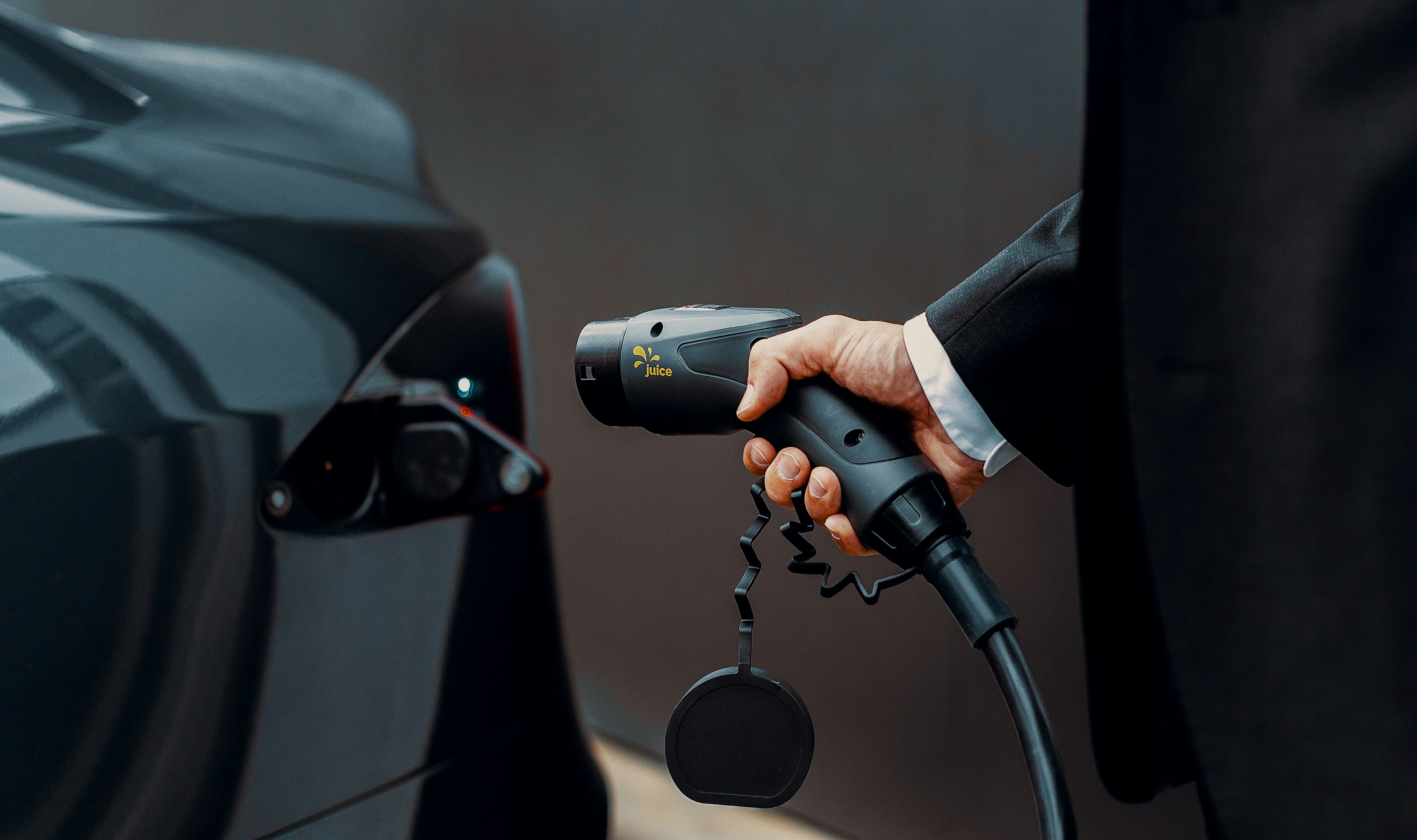
The honest answer is: probably yes - but not necessarily a new one, and not necessarily now.
Electric vehicles are significantly better for the climate than petrol and diesel cars. That much is settled. But the picture is more nuanced than the marketing suggests, and getting the decision right depends on your situation.
Here's what the data actually says.
On the current UK grid, an electric car produces around 47g of CO₂ per kilometre. A petrol car produces around 170g. That's a 72% reduction - and the gap grows every year as the grid gets greener. In 2010, the UK got 7% of its electricity from renewables. In 2024, it was over 35%. An EV you buy today will have lower emissions in five years than it does now, automatically.
Over a full lifetime, a typical EV produces roughly 18 tonnes of CO₂ compared to 41 tonnes for a petrol equivalent. The climate case is clear.
Here's what the brochures don't lead with: building a new EV produces around 10-14 tonnes of CO₂ before it leaves the factory. Battery production is energy-intensive, and a significant proportion of that energy still comes from fossil fuels.
This means that if you drive a relatively fuel-efficient petrol car and don't do many miles, it can take several years before the lower running emissions of an EV offset the manufacturing carbon. For high-mileage drivers, the breakeven comes faster. For low-mileage drivers, it takes longer.
The implication is straightforward: the greenest car is often the one you already own, run for as long as it remains reliable. Buying a new EV to replace a perfectly functional petrol car that's three years old is not necessarily the right environmental decision.
This is where the maths get interesting. A second-hand EV is arguably the best of all worlds - the manufacturing carbon has already been spent by the first owner, and you get the benefit of the lower running emissions from day one.
The Nissan Leaf, Renault Zoe and earlier Tesla Model 3s are all strong used options, now available at prices that make the running cost savings genuinely compelling. Range anxiety on older EVs is real but manageable for most daily use - a 2018 Nissan Leaf has a real-world range of around 100-120 miles, which covers the average UK daily commute many times over.
Charging at home costs roughly 6-7p per mile on a standard tariff - compared to around 18-20p per mile for petrol. On an Octopus Energy smart tariff, overnight charging can cost as little as 3-4p per mile. Over 10,000 miles a year, the saving is around £1,200 - enough to offset a significant portion of the purchase premium within a few years.
Servicing is simpler and cheaper too. No oil changes, fewer brake replacements due to regenerative braking, and fewer moving parts overall. Independent studies consistently show EVs cost less to maintain over their lifetime.
Buying a new EV makes the most sense if you're already in the market for a new car anyway, you do a significant number of miles each year, and you can charge at home. The government's previous plug-in car grant has ended, but the second-hand EV market has matured considerably - and buying used sidesteps the manufacturing carbon issue almost entirely.
If you can't charge at home - if you rely on public charging - the economics are less favourable and the convenience factor drops significantly. Public charging infrastructure is improving but remains patchy, and rapid charging is considerably more expensive than home charging.
If you're replacing a car anyway - consider an EV, ideally second-hand. If your current car is working fine - keep it longer, don't rush the switch. If you do buy new - the manufacturing carbon is real, but the lifetime emissions are still significantly lower. If you can charge at home - the running cost savings are substantial. If you can't charge at home - wait until your local infrastructure improves.
The EV transition is the right direction. The timing and the specific decision depend on your circumstances. There is no single right answer - but there are better and worse questions to ask, and "should I buy a new EV to feel green?" is usually the wrong one.