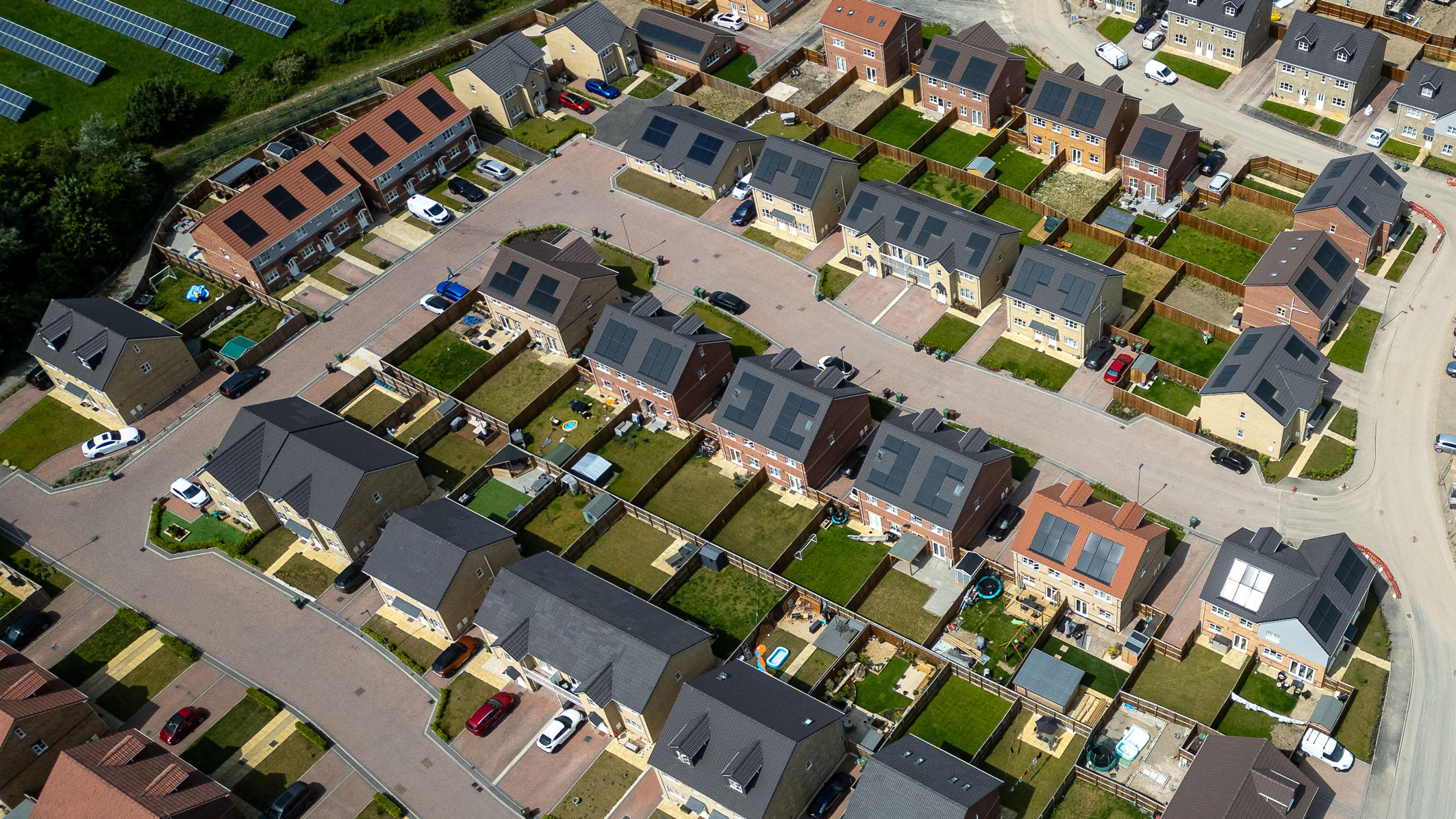
Solar panels are a sound long-term investment for most UK homeowners. The economics have improved significantly as panel costs have fallen and electricity prices have risen. The carbon case is clear.
But solar panels are not a quick win - they're a 25-year investment with a significant upfront cost. Here's what you actually need to know before committing.
A typical 3.5kWp system (10-12 panels) for a semi-detached house costs around £7,000-£9,000 installed. Larger systems cost proportionally more. Battery storage adds around £4,000-£6,000 to the total. There is currently no government grant specifically for solar panels, though the Smart Export Guarantee (SEG) pays you for electricity you export to the grid.
A 3.5kWp system in the UK generates around 3,000-3,500 kWh per year, depending on location and roof orientation. South-facing roofs at 30-35 degrees pitch are optimal. In practice, a household will use around 50% of the electricity generated directly and export the rest.
The SEG requires licensed electricity suppliers to pay for electricity you export to the grid. Rates typically range from 4-15p per kWh. Octopus Energy's Flux tariff offers up to 15p per unit for exports during peak periods.
At current electricity prices (around 24p/kWh) and typical SEG rates, a 3.5kWp system pays back in around 8-12 years. Over a 25-year panel lifespan, total savings are typically £15,000-£25,000.
Solar panels work best on south, south-east or south-west facing roofs with minimal shading. East and west-facing roofs generate around 15-20% less than south-facing. North-facing roofs are generally not worth the investment.
A battery allows you to store solar electricity generated during the day for use in the evening. Batteries add around 2-3 years to the payback period but significantly increase the proportion of your electricity that comes from solar. If you have an EV or heat pump, battery storage has stronger economics.
A 3.5kWp system saves around 0.8-1.2 tonnes of CO₂ per year. Over the panel lifespan, that's around 20-30 tonnes of CO₂ avoided.
Solar panels make financial and environmental sense for most UK homeowners with suitable roofs and the upfront capital. Prioritise switching to a renewable tariff and insulating your home first. If those are in place and you own your home, solar is a sound next step.